Science Highlights: Rotating Galaxies with ALMA and JWST

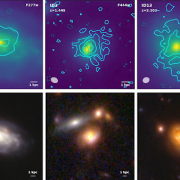
The image above shows ALMA CO gas-line data of three galaxies at z=0.5-2 (top row) from the ALPAKA study (Rizzo et al. 2023). The CO line emission revealed that these are regular rotating disk galaxies. JWST imaging (Roman-Oliveira et al. 2026) shows extended and symmetric stellar disks with spiral arms. Deeper analysis of the ALMA rotation patterns shows that rotation in the outer disk is well matched by expectations from stellar light. In the inner disk this is no longer true, with higher rotation speeds than expected. This suggests models fail to capture essential aspects about the bulge, dust attenuation, overmassive black holes, or dark-matter profiles as compared to local galaxies.

Open for registration: a Lorentz Center Workshop on science and technology for AtLAST

The planned 50-m Atacama Large Sub-millimeter Telescope (AtLAST) – a contender for the next ESO large facility, to be built close to ALMA – promises a revolution in wide-field, wide-band sub-mm surveys. However, the unprecedented size of AtLAST and its survey speed demand novel instruments and operational models. An upcoming Lorentz Center workshop (3rd – 7th August 2026) will define key science goals for AtLAST and chart a roadmap for future instruments. The workshop has an open registration, and members of the Dutch astronomical community are most welcome!

More details and registration can be would here:

https://www.lorentzcenter.nl/mapping-the-submillimeter-universe-science-and-technology-for-atlast.html

ALMA Cycle 13 proposal preparation and important dates

The Cycle 13 call for proposals is here! The proposal deadline will be 23 April 2026. Be aware that there is a brand-new web-based ALMA Observing Tool for submitting proposals this cycle. Please start early!

Allegro is happy to help with questions regarding:

  • Dual anonymous review process.
  • Distributed peer review.
  • Accessing the ALMA archive.
  • Using the ALMA Observing Tool (OT) to prepare your observing program.
  • Technical setup of proposals.
  • New features in Cycle 12.
  • Anything else related to your proposal preparation!

For quick questions, we encourage our community to reach out to us via email (alma@strw.leidenuniv.nl). Leiden members are also highly encouraged to interact with us via the Allegro Slack channel (#allegro) in the Leiden Observatory internal Slack; we will keep an eye out for messages! Mutual discussions with colleagues and experienced ALMA users in our community will add value to this exchange and are welcome and appreciated.

For more complicated cases or hands-on help with the OT, we offer face-to-face support (both in-person and Zoom options are available). Our office is BW 4.34 in the Gorlaeus Building of Leiden University, and you can contact alma@strw.leidenuniv.nl for a Zoom link.

For first-time proposers and complicated programs, we recommend coming by as soon as possible to discuss getting started and feasibility.

Finally, we invite everyone to a celebratory borrel after the proposal deadline on April 23. All are welcome whether you submitted zero or ten proposals!

Quick look dates:

  • March 19 Call for proposals and OT released
  • April 23 Proposal deadline

ALMA Cycle 13 preparation day 27 March – new web-based Observing Tool

The ALMA Cycle 13 proposal deadline is approaching fast! The anticipated release of the Call for Proposals is March 19, and the expected proposal deadline is planned for April 23.

A major change compared to previous cycle is the brand-new web-based Observing Tool. Your old OT will not work any more, and handling AOT files and sharing proposals between collaborators will be different this Cycle. This will come with a bit of a learning curve, so we encourage all users – including ALMA experts – to try it out well in advance of the deadline.

More details in the call for proposals.At Allegro, we are organizing ALMA Cycle 13 preparation day, scheduled for March 27 at 13:00-16:30 in CE0.18, Gorlaeus Building, Leiden. This will be a hybrid meeting with online participation possible. During the meeting, Allegro staff will present key updates and capabilities offered in ALMA Cycle 13, followed by a hands-on session on the proposal tool. This is a great opportunity for first-time observers to get to know the ins-and-outs of ALMA proposal preparation, as well as for experienced user to get up to date on the new tools and capabilities. We are looking forward to see you there!

Slides from the proposal preparation day are available here:

Allegro Intro

What’s new in Cycle 13

How to write an ALMA proposal pt 1

How to write an ALMA proposal pt 2

ALMA School success

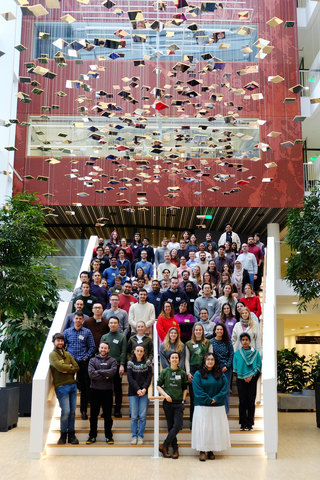
Thank you to everyone who made the ALMA school a success!

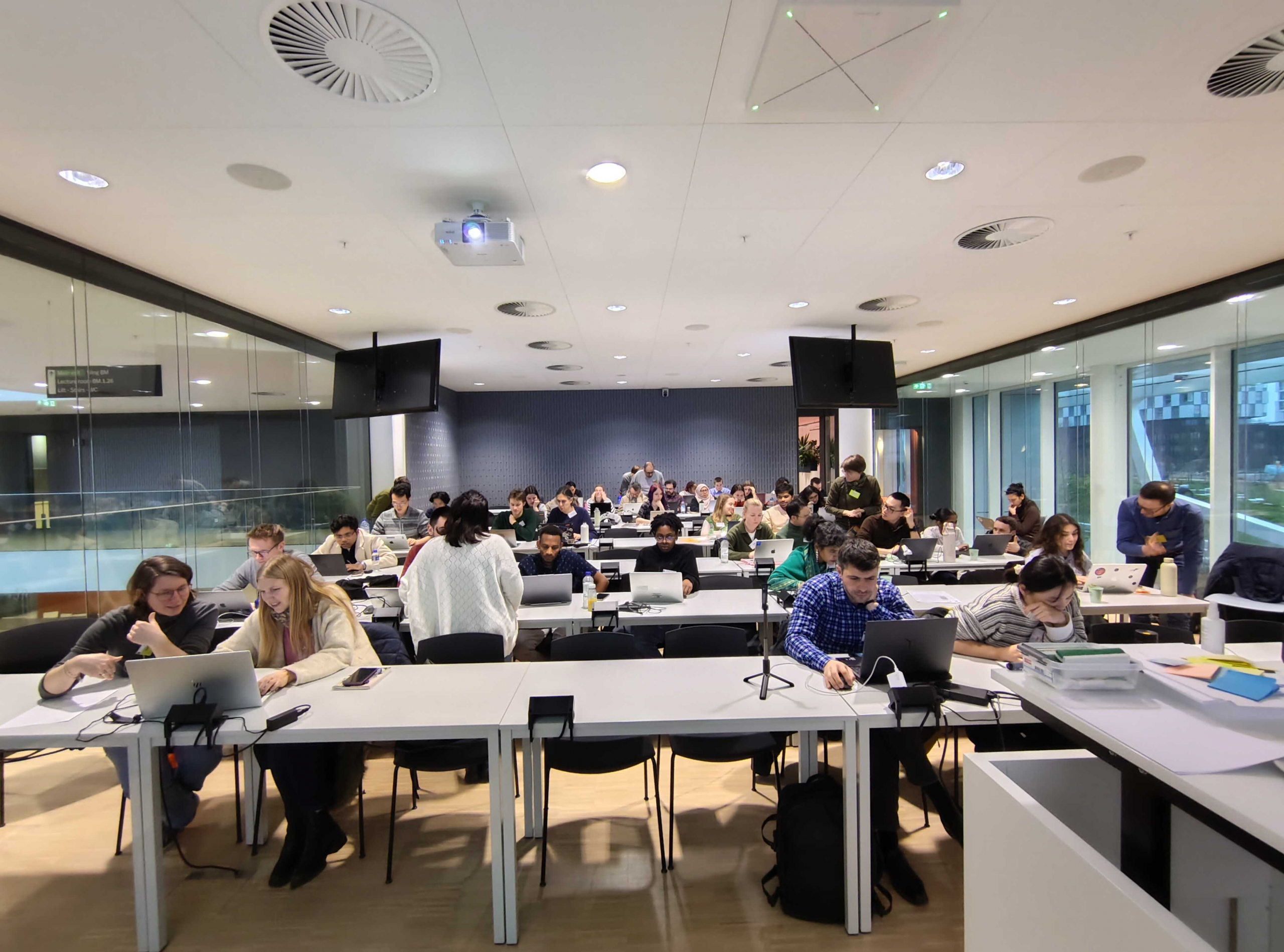
We had a very full week of lectures, tutorials, and science talks, with over 60 participants in attendance. All tutorials were conducted on our own compute system, which held up to the challenge. It was a great experience for early career researchers to learn ALMA-related skills, meet fellow ALMA users, and learn about the network of support they have when they use ALMA data.

CASA logo

ALMA Data Reduction Training Day: November 5, 2025

On Wednesday, 5 November 2025, we will host an ALMA Data Reduction Training Day in person in room CE.0.08.

The training will begin at 10:00 AM and continue into the afternoon with coffee breaks and an hour lunch break. The Allegro team will be presenting a series of talks and hands-on activities that cover: how to go from the archive to obtaining calibrated visibilities, a surface-level overview for calibration and self-calibration, using CASA, imaging, and exploring data cubes with CARTA. There will be sufficient time for Question & Answer sessions at the end of each section.

Several of the sessions will include a hands-on component that participants can follow along with. Information on how to connect to the Allegro workstations will be provided prior to the training day to the registered participants.

Register HERE

Program* November 5, 2025
10:00-10:15 Welcome
10:15-10:30 Pascal Keller ALMA data: From the archive to calibrated visibilities
10:30-11:00 Pascal Keller Overview of calibration and self-calibration
11:00-11:15 Coffee break
11:15-11:30 Megan Lewis Introduction to CASA

+ technical setup

11:30-12:15 Łukasz Tychoniec Imaging Part 1
12:15-13:15 Lunch break
13:15-14:00 Łukasz Tychoniec Imaging Part 2
Imaging Part 3
14:00-14:20 Coffee break
14:20-15:30 Megan Lewis Image cubes and CARTA

* Note that this is a rough schedule as we plan to dedicate plenty of time for questions after each session.

List of useful references:

Directions to Leiden Observatory

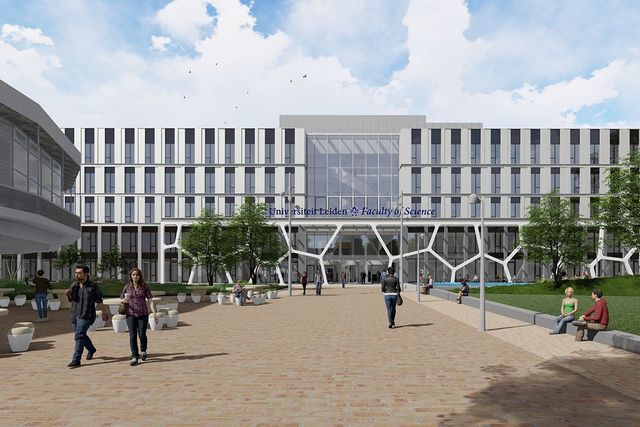
Note that this is not the old observatory in the center of Leiden. The workshop will occur at the new Faculty of Science building (see image below). Leiden Observatory is located on the 3-4th floors of this building, and the Allegro offices are located on the 4th floor. The event will be held on the ground floor in room CE.0.08.The realization of phase 2 of the Gorlaeus building | Leiden Convention Bureau
ALMA Science Day 2025

Allegro is delighted to announce that the 2025 edition of the ALMA Science day will take place in Groningen on 2nd December 2025.

This is an ideal opportunity to meet fellow ALMA aficionados and learn about a wide range of ALMA-related science and technology development in the Netherlands.This year’s meeting will feature keynote talks by Nienke van de Marel (Leiden) and Gergö Popping (ESO) and contributed talks from you!

We have a limited capacity, so please register as soon as possible here. Registration has been extended to 26 November. There is no registration fee.

Register at: https://fd24.formdesk.com/universiteitleiden/form6925437522

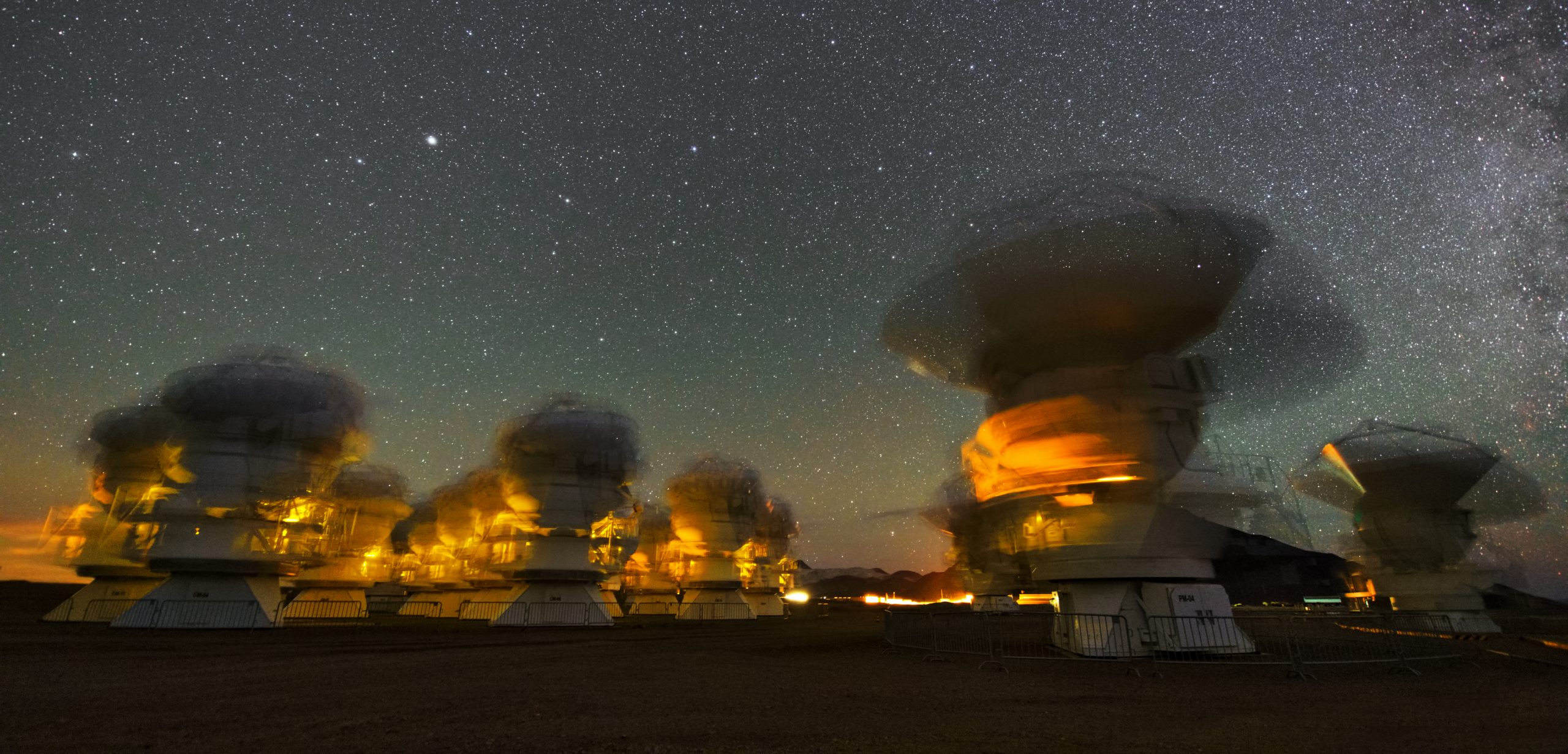
Credit: ESO/Y. Beletsky

Allegro to host 2026 ALMA school

Dates and location for the 2nd European ALMA school announced

Allegro is happy to announce that we will be hosting the 2026 European ALMA school.

The school will be held 26.01.2026-30.01.2026 at Leiden Observatory, and registration will open 1 August. Stay tuned by checking our page here.

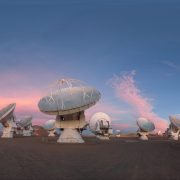
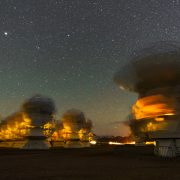
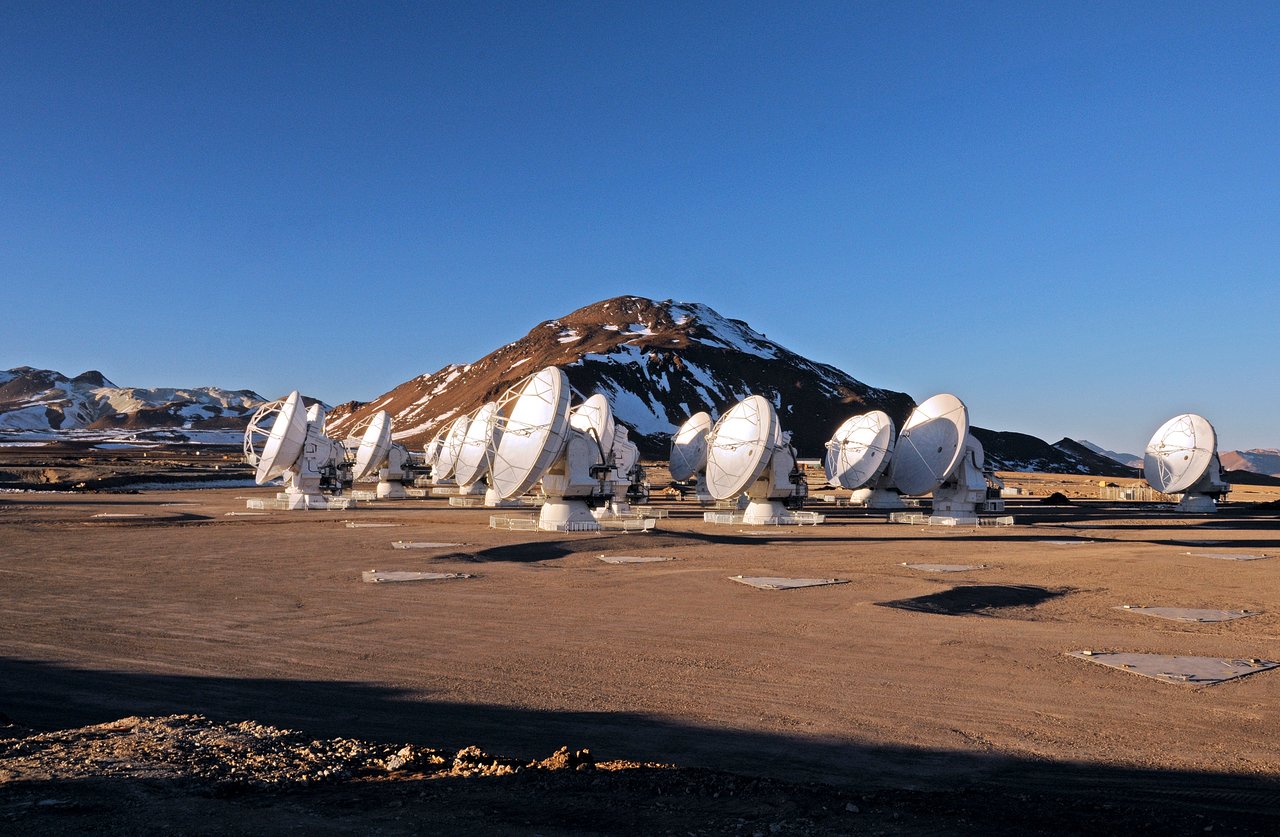
This picture of the ALMA antennas on the Chajnantor Plateau, 5000 m above sea level, was taken a few days before the start of ALMA Early Science. Nineteen antennas are on the plateau.